
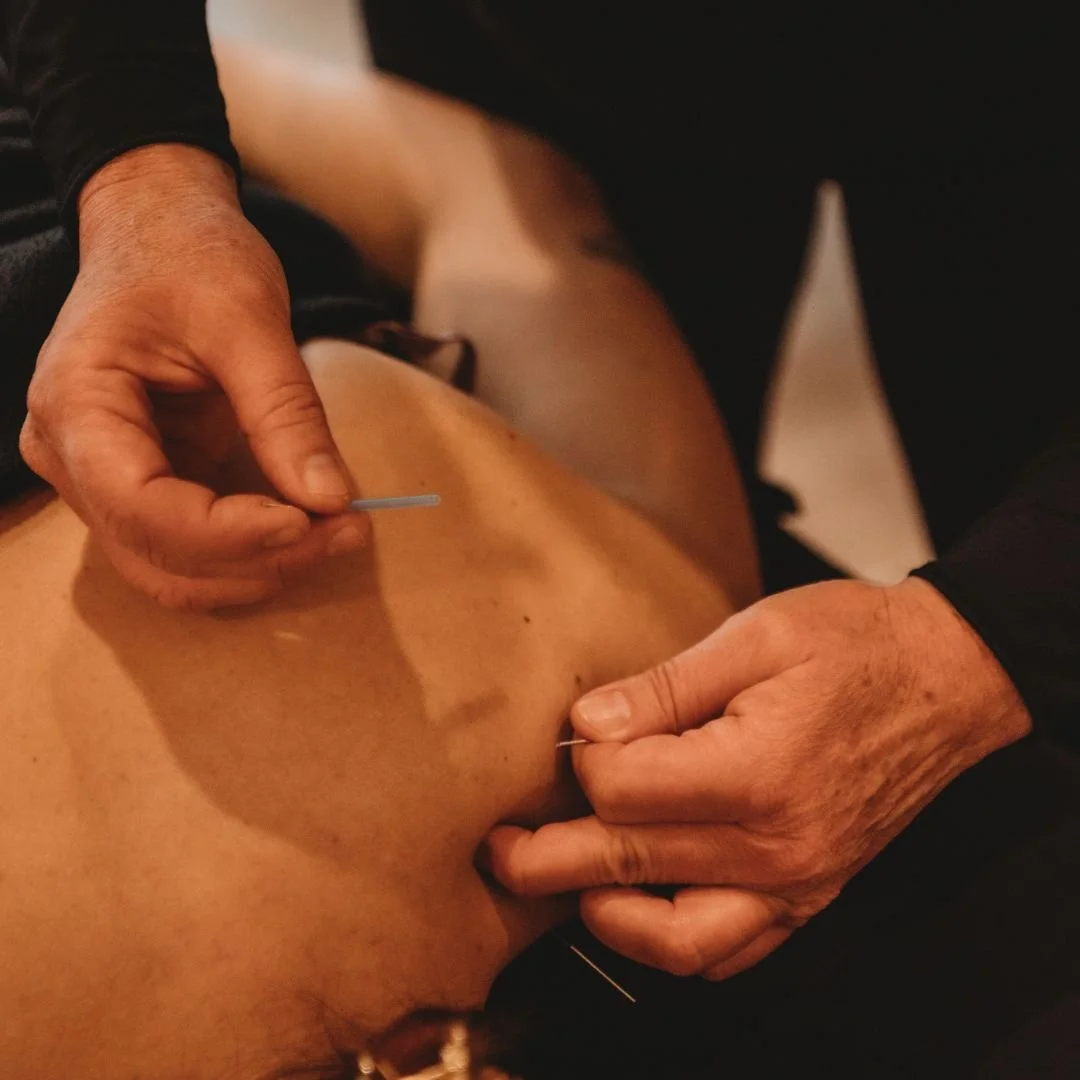
Myofascial trigger points are localised, hypersensitive nodules within muscle tissue that can generate both local and referred pain. Often described as “knots,” they can limit movement, alter posture, and contribute to ongoing discomfort. While conventional approaches tend to focus on releasing these points directly, Traditional Chinese Medicine (TCM) takes a broader view—addressing not just the symptom, but the underlying imbalance contributing to their formation. The goal is not only relief, but also long-term prevention through improved circulation, nervous system regulation, and overall balance.
Causes of Myofascial Trigger Points
Trigger points rarely develop in isolation. They are usually the result of cumulative stress on the body:
1️⃣ Overuse and Muscle Fatigue
Repetitive movements and sustained postures—like long hours at a desk—can overload specific muscle groups. This reduces blood flow, limits oxygen delivery, and leads to a build-up of metabolic waste, creating an environment where trigger points thrive.
2️⃣ Acute or Chronic Injury
Acute trauma: Falls, accidents, or sports injuries can directly damage muscle fibres, leading to protective tightening and trigger point formation.
Chronic strain: Ongoing postural imbalances or poor movement patterns gradually place uneven stress on muscles, contributing to persistent tension.
3️⃣ Lack of Movement
Prolonged inactivity can be just as problematic as overuse. Reduced movement leads to stiffness, decreased circulation, and diminished tissue health—key contributors to trigger point development.
4️⃣ Emotional Stress and Anxiety
Stress has a profound physical impact. It increases baseline muscle tension (particularly in the neck, shoulders, and jaw) and heightens pain sensitivity via the nervous system. Over time, this sustained tension can manifest as active trigger points.
How TCM Approaches Treatment
Rather than isolating the painful spot alone, TCM considers how energy (Qi), blood flow, and organ systems interact. Treatment may include acupuncture, cupping, and manual therapies to:
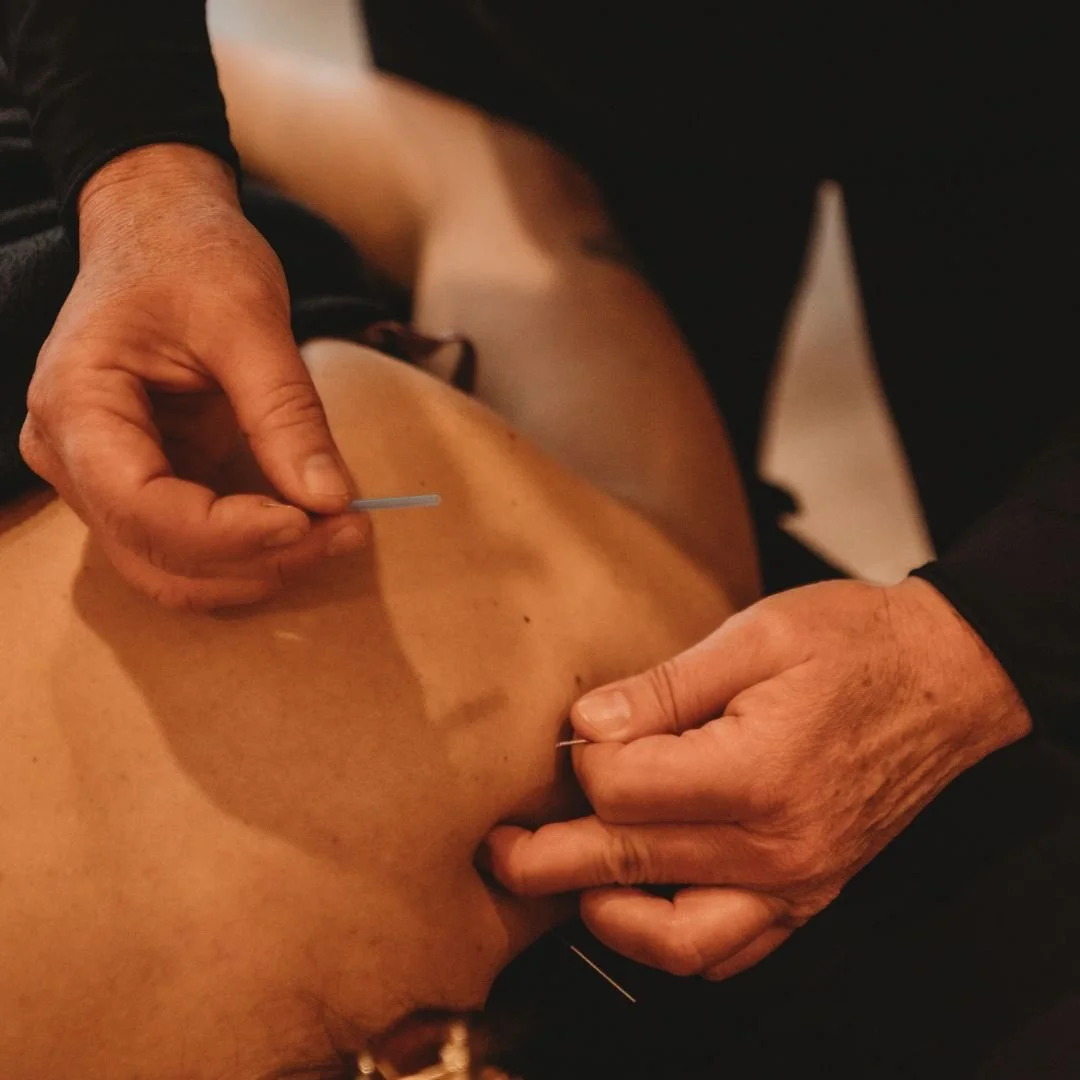
Improve circulation and reduce stagnation
Release muscular tension and restore tissue mobility
Regulate the nervous system and reduce stress-related holding patterns
Address underlying imbalances contributing to recurring pain
This whole-body approach allows for both immediate symptom relief and more sustainable outcomes.
Myofascial trigger points are often a sign that the body is under ongoing strain—whether physical, postural, or emotional. Treating them effectively means looking beyond the “knot” itself and understanding why it formed in the first place. By combining local treatment with a broader, systems-based approach, TCM offers a way to not only ease pain but also support long-term resilience. When the body is moving well, circulating effectively, and better able to manage stress, trigger points are far less likely to return.