
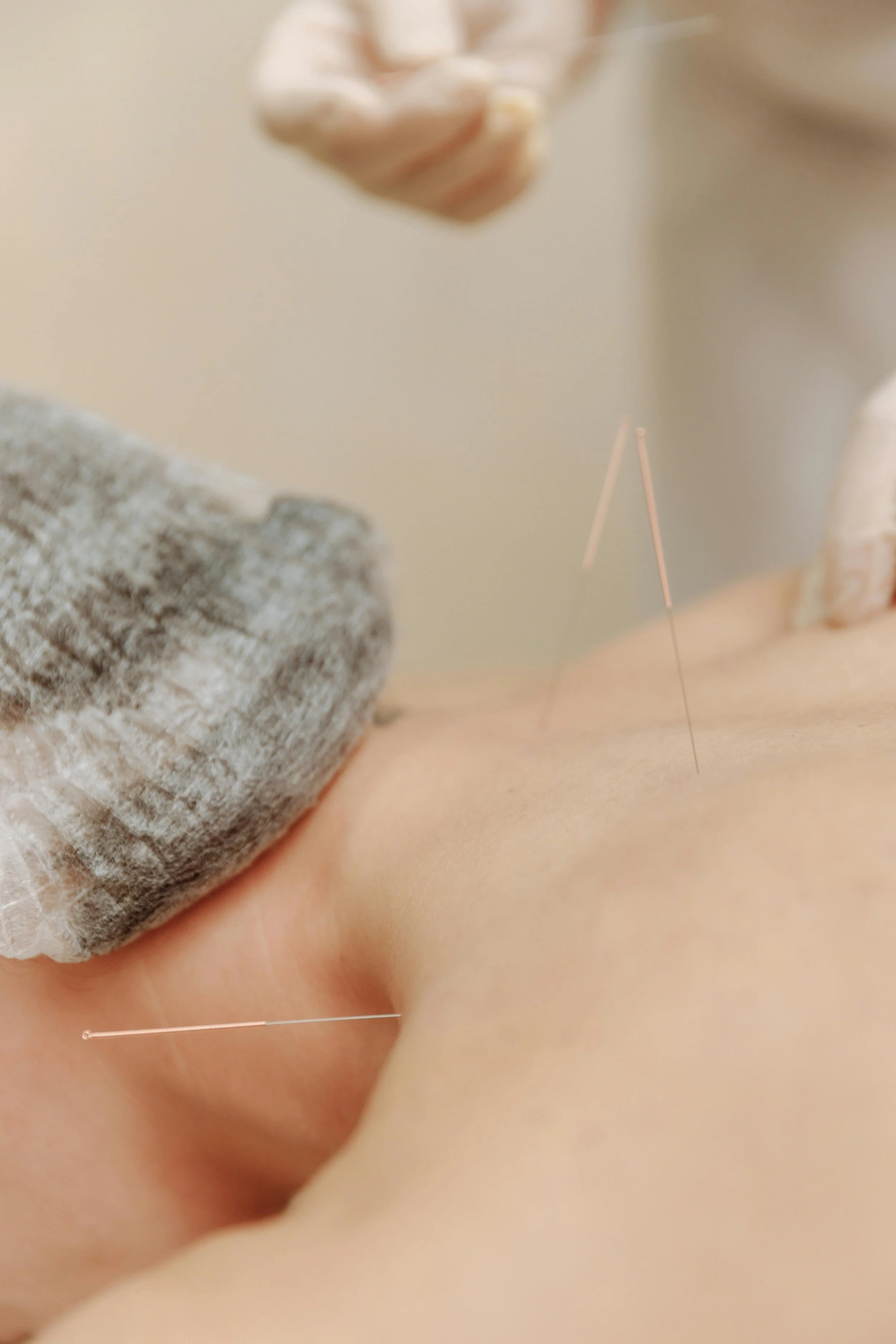
In traditional clinical perspectives, dysmenorrhea (painful menstruation) is often viewed simply as a hormonal or inflammatory issue. However, from a structural and functional standpoint, the efficacy of acupuncture lies in its ability to reorganize the body’s musculoskeletal and fascial frameworks to restore systemic balance
Adjusting Pelvic and Systemic Structures
Acupuncture does not merely treat the "point of pain." Instead, it functions by adjusting the tension within the muscles and fascia of the pelvic cavity and the body as a whole. Chronic tension in the abdominal wall, hip flexors, or even the lower back can create restrictive "tethering" effects on the pelvic organs. By inserting needles into specific neuro-muscular junctions, acupuncture triggers a relaxation response in hypertonic tissues. This release of the myofascial chains helps realign the pelvic structure, removing mechanical pressure from the uterus and surrounding nerves.
Improving Local and Systemic Circulation
The primary mechanism for pain relief in this structural approach is the optimization of blood flow. When pelvic muscles and fascia are chronically tight, they act like a tourniquet, impeding venous return and causing local "stasis" or congestion. This lack of fresh oxygenated blood (ischemia) is a significant driver of menstrual cramping.
By resolving these structural restrictions, acupuncture facilitates:
1. Local Microcirculation: Enhancing blood flow directly to the uterine wall, which helps flush out inflammatory prostaglandins that trigger contractions.
2. Systemic Vasodilation: Promoting a parasympathetic nervous system response that encourages healthy circulation throughout the entire body, reducing the systemic stress often associated with menstrual cycles.
A Holistic View
Rather than acting as a temporary analgesic, acupuncture addresses the physical environment of the pelvis. By refining the relationship between muscle, fascia, and the vascular system, it creates a sustainable internal environment where blood can flow freely. For the patient, this means not just the alleviation of immediate cramps, but a long-term improvement in menstrual health by correcting the structural imbalances that contribute to pelvic congestion. This integrated approach demonstrates that when the body's structure is optimized, its physiological functions—including the menstrual cycle—can proceed without pain