
I recently watched a Spanish-language film called Milonga. What stood out for me was the portrayal of intergenerational trauma and the way trauma is passed on to children, particularly how children learn to survive in situations of domestic violence.
It is not uncommon for parents to choose to stay with an abusive partner for the sake of their children. In an ideal world, we would want our children to grow up with both parents and an extended family. Sometimes, however, we hold so tightly to this ideal image that we forget an important truth: in order to have a loving family, both parents need to be emotionally healthy and genuinely committed to building that family together.
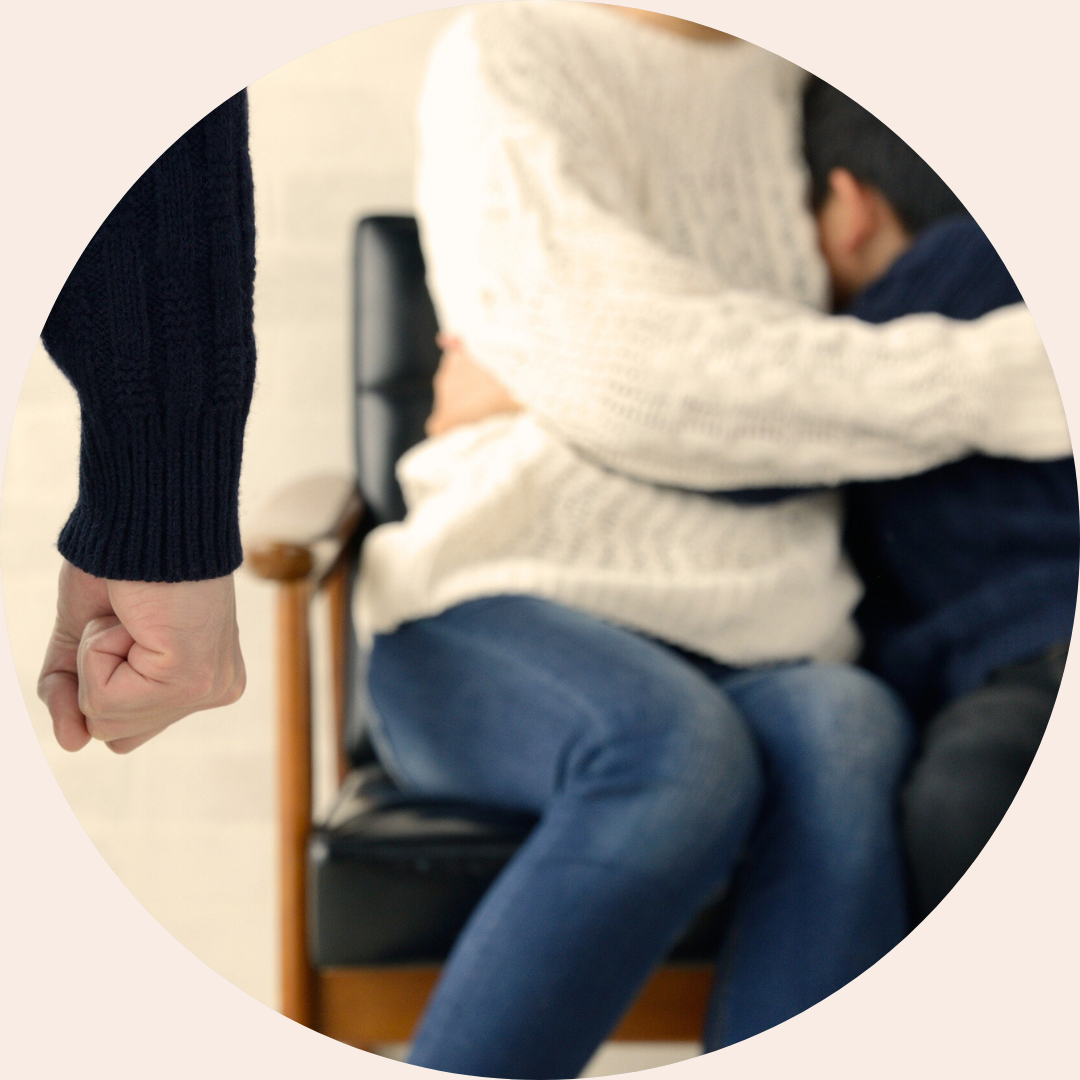
When one partner is trying to build a home and the other is destroying that effort, this is not a partnership. Over time, this dynamic can cause lasting psychological damage not only to the partner experiencing the abuse, but also to the children who witness it.
In my work, many clients are surprised to hear me say that when a woman becomes a mother, the most important person is not the baby – she is! This is because the baby relies entirely on the mother for survival and thriving.
For this reason, it is vital that the mother remains as healthy and emotionally well as possible. What often goes unnoticed is that keeping children in a home with both parents, despite ongoing patterns of abuse and violence, frequently comes at the expense of their psychological development and mental health.
Children learn about relationships by watching their parents. They may grow up believing that this is what relationships are meant to look like, and that it is acceptable to tolerate violence and abuse, or that it is okay to inflict pain on loved ones because “we are family.” They quietly learn to prioritise others over themselves, to diminish their own needs, and to maintain the peace at all costs. They may also take on the responsibility of protecting the abused parent from harm.
What feels particularly heartbreaking to me is that these children have no say in their parents’ decision and often end up suffering in silence alongside the parent who is being abused.
What is believed to be a complete family for the child, in reality, can take away not only their childhood experience, but also their sense of identity and agency. Milonga reminds us that protecting children does not mean preserving an image of family — it means modelling relationships grounded in safety, dignity, and respect. This is why prioritising our own health and happiness is not selfish. It is foundational, shaping not only our own world, but also that of the generations that follow.
If you are in immediate danger, please call emergency services on 000.
Domestic Violence Crisis Service (DVCS): Provides support, advice, and resources for anyone affected by domestic violence in the ACT. You can contact them at 02 6280 0900.
If you would like support through our Psychology services, Tina has vast experience in this space and is available for immediate support. Please contact us directly or book online below.