
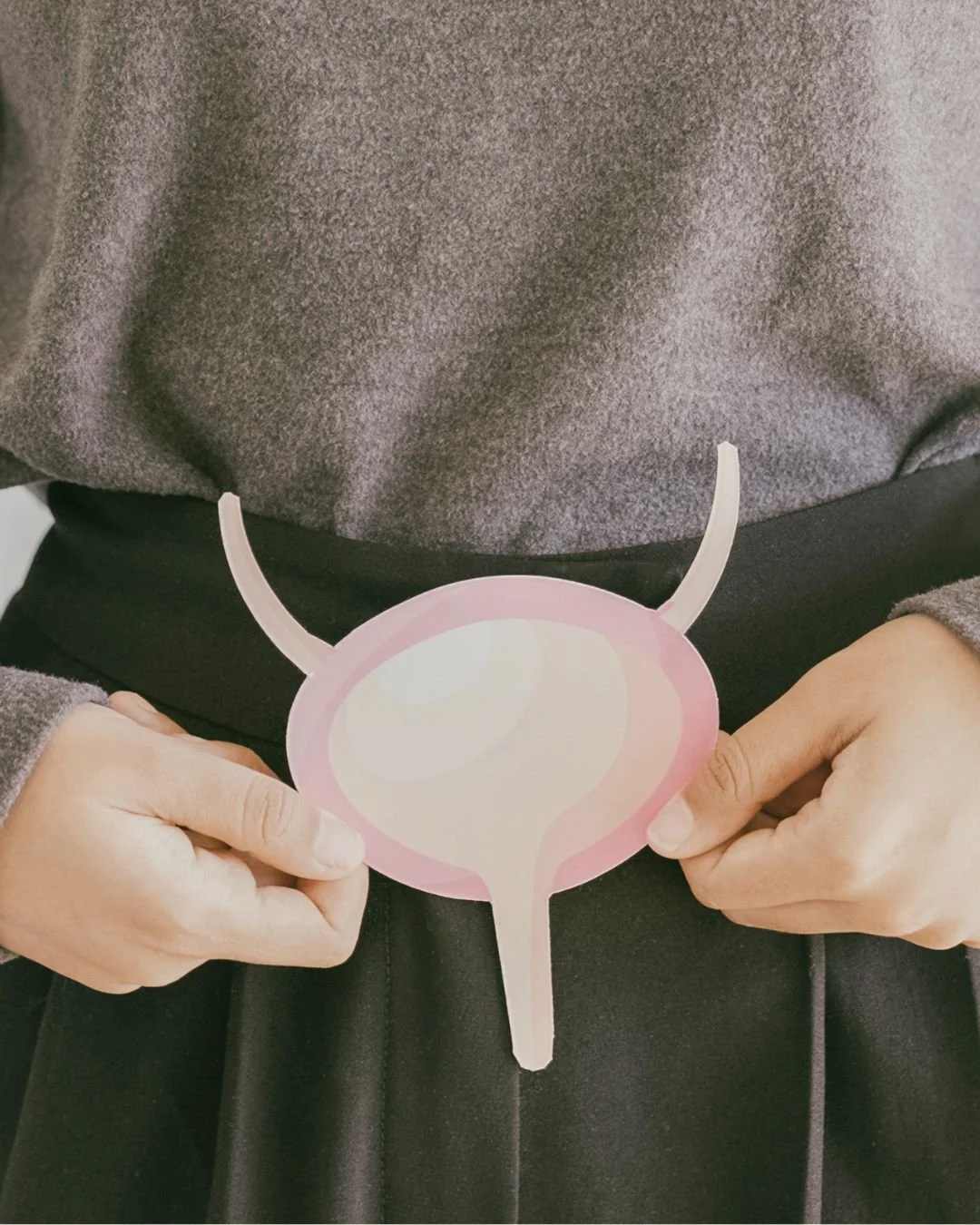
Bladder dysfunction is common and can affect people at many different stages of life.
Symptoms may include:
A strong, sudden urge to urinate that is difficult to control, sometimes resulting in leakage before reaching the toilet (urge incontinence).
Others may experience leakage when coughing, sneezing, laughing, lifting, bending, or exercising — this is known as stress urinary incontinence.
Some people notice an interrupted urinary stream, difficulty fully emptying the bladder, increased frequency, or waking multiple times overnight to urinate.
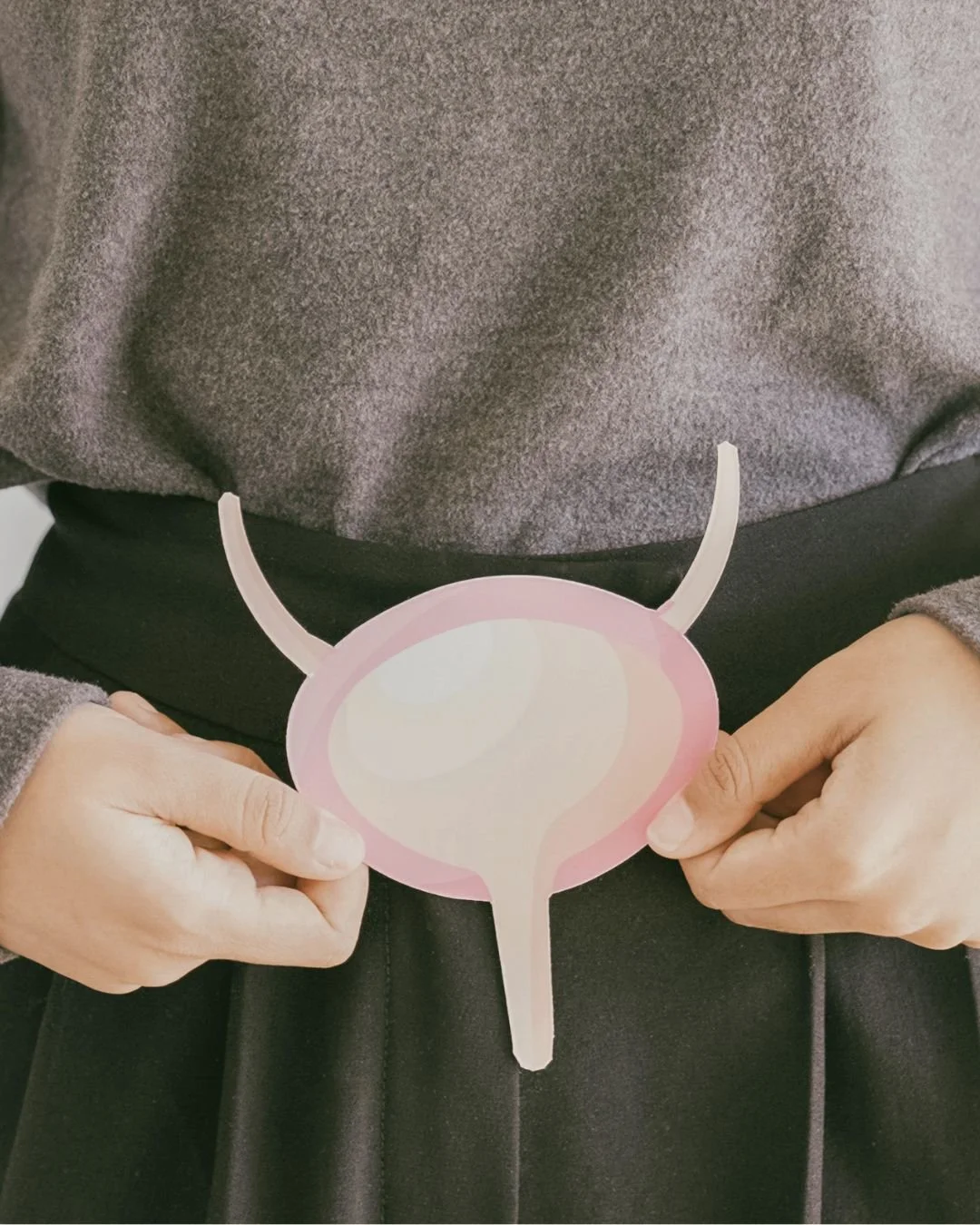
There are many contributing factors to bladder dysfunction, and these often vary depending on the stage of life.
During pregnancy, increased load on the pelvic floor can lead to stretching of muscles and supporting ligaments. Hormonal changes may also cause tissue laxity, reducing the level of support for the bladder and urethra.
In the postnatal period, the impact of pregnancy and birth — including muscle stretching, ligament strain, nerve irritation, and changes in blood supply — can influence bladder control. Even when birth is uncomplicated, the pelvic floor undergoes significant change.
Hormonal fluctuations during perimenopause and reduced oestrogen levels after menopause are also significant contributors. Lower oestrogen levels can affect urethral stability, pelvic floor muscle strength, and the health of bladder and urethral tissues. As we age, natural changes in bladder capacity and muscle function may further influence symptoms.
Bladder issues are therefore particularly common in both postnatal and older populations.
Bladder habits developed over time can also have a long-term impact.
Frequently going to the toilet “just in case,” delaying urination for long periods, straining to empty, or ongoing constipation may alter the bladder’s ability to store and empty efficiently. Recurrent urinary tract infections can increase bladder sensitivity, contributing to urgency and discomfort even after infection has resolved. In addition, the bladder is closely connected to the nervous system, meaning stress, anxiety, fear, and embarrassment can heighten symptoms and make urgency or leakage feel more difficult to manage.
So, what can you do?
Pelvic floor physiotherapy is not a one-size-fits-all approach. It is a supportive, evidence-informed process that help you restore function, improve confidence, and achieve meaningful, long-term improvement in your symptoms.