
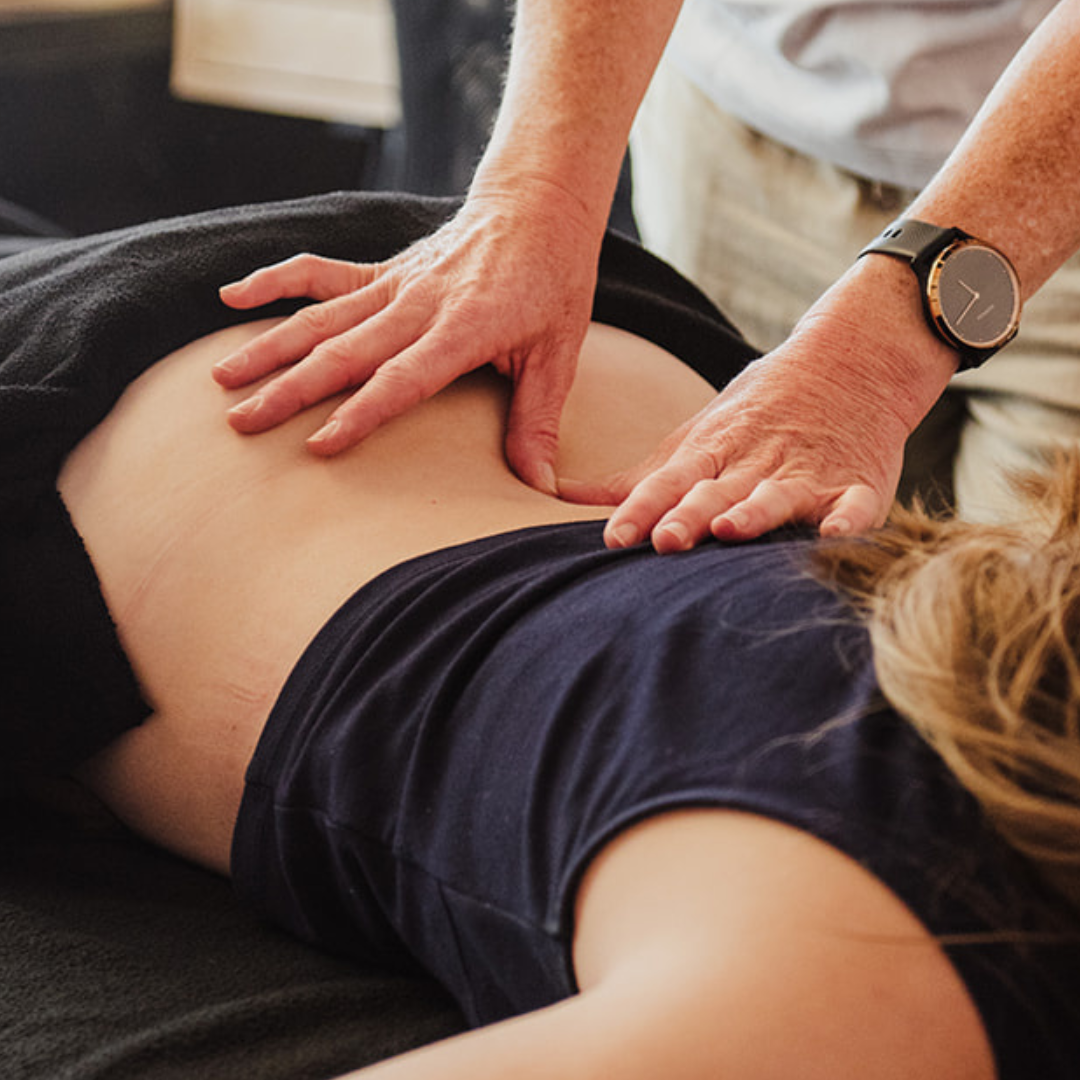
Pelvic Pain: How Massage Therapy Can Help Manage Symptoms
Pelvic pain is a common and often complex condition that can affect people at many stages of life.
While it’s easy to think of pelvic pain as a single issue, it is usually influenced by a combination of muscular, joint, hormonal and nervous system factors.
The pelvis is a central structure in the body, acting as a meeting point for the spine and lower limbs. More than 20 muscles attach to the pelvis via tendons, including the gluteals, adductors, deep hip rotators (such as the piriformis and obturator muscles), and the pelvic floor. These muscles work together to provide stability, support load transfer, and enable efficient movement. When this system becomes overloaded or imbalanced, pain can develop.
Periods of increased physical demand—such as pregnancy and the postnatal phase—can place significant strain on these structures. Research has shown that pregnancy-related pelvic girdle pain is associated with altered muscle function, reduced force closure of the pelvis, and increased joint stress. Hormonal changes, combined with the mechanical load of a growing baby, can further contribute to muscle fatigue and reduced stability. Similarly, the physical demands of labour and birth can place substantial stress on pelvic and surrounding tissues, comparable in some ways to high-endurance activity.
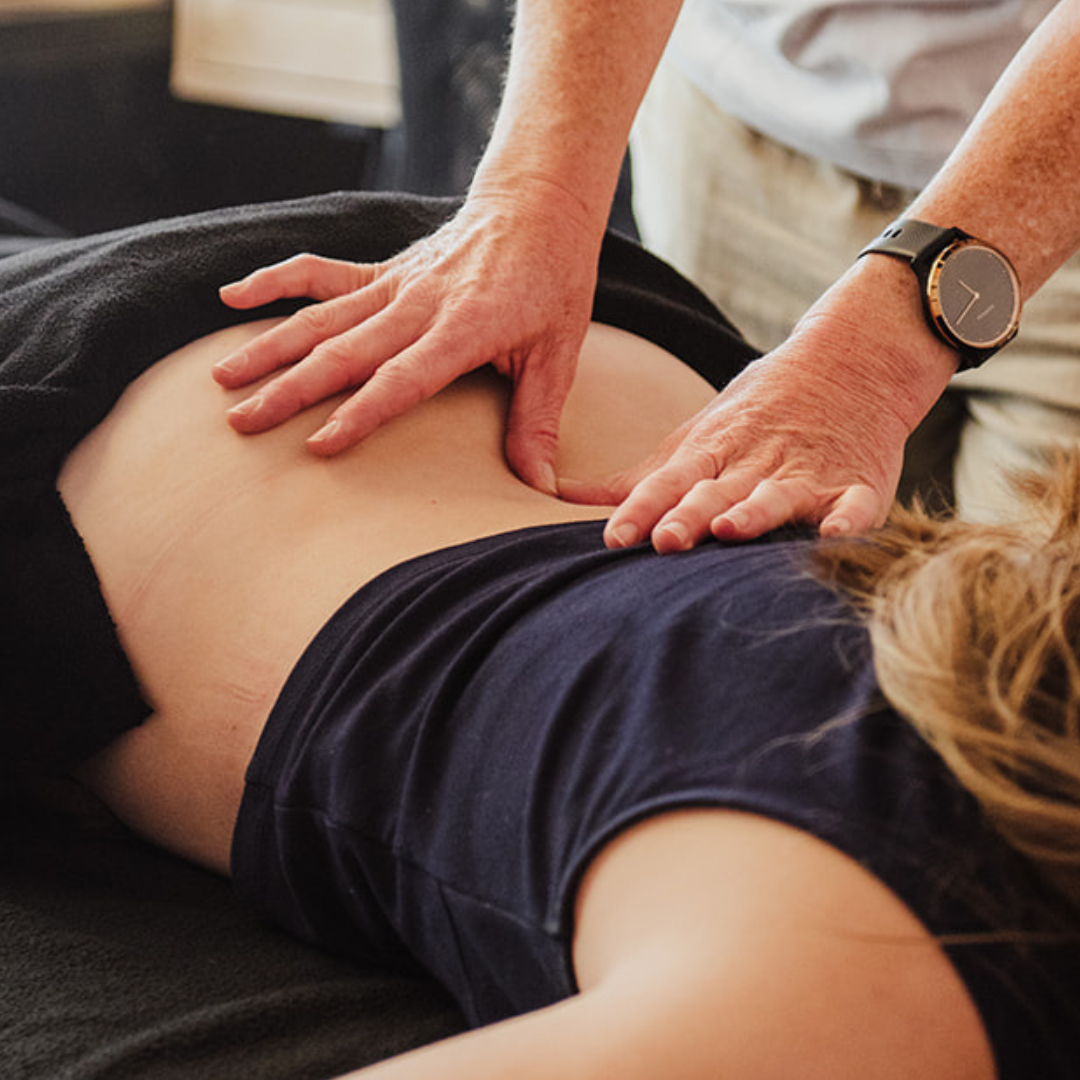
Massage therapy can play a supportive role in managing pelvic pain, particularly when muscular tension and overload are contributing factors.
Techniques targeting the gluteal muscles can be especially beneficial. The gluteus maximus and medius are key stabilisers of the pelvis during everyday activities such as walking, standing, and climbing stairs. When functioning optimally, they help reduce strain on smaller, deeper muscles and the pelvic joints themselves.
In addition to the glutes, deeper structures such as the adductors and hip rotators (including the piriformis and obturator muscles) also contribute to pelvic stability. These muscles are often harder to access but can become overactive or tight in response to instability or altered movement patterns. Deep tissue massage techniques may help reduce muscle tone, improve tissue flexibility, and enhance local blood flow in these areas.
There is evidence to suggest that massage therapy can help decrease pain and improve short-term function in individuals with musculoskeletal conditions. Proposed mechanisms include increased circulation, reduced muscle stiffness, and modulation of the nervous system, which can help lower pain sensitivity. Massage may also promote relaxation and reduce stress, both of which can influence how pain is experienced and managed.
Importantly, massage therapy is most effective when used as part of a broader, multidisciplinary approach. Combining hands-on treatment with targeted exercise, education, and load management strategies—often guided by a pelvic health physiotherapist—can help address both the symptoms and underlying contributors to pelvic pain.
If you are experiencing pelvic pain, seeking an individualised assessment is key. Understanding your specific movement patterns, muscle function, and lifestyle demands allows for a tailored approach to care.
Pelvic pain is rarely caused by one structure alone, and effective management goes beyond simply “releasing tight muscles.” By supporting both strength and relaxation within the system, massage therapy can be a valuable part of helping the pelvis function more efficiently and comfortably.