
After giving birth, many women experience some degree of urinary leakage, particularly when coughing, sneezing, laughing, lifting, or exercising. While this is common in the early weeks after childbirth, it should not be accepted as a normal long-term consequence of having a baby.
The good news is that urinary incontinence is highly treatable. Early assessment and appropriate management can reduce symptoms, improve quality of life, and help you safely return to the activities you enjoy.
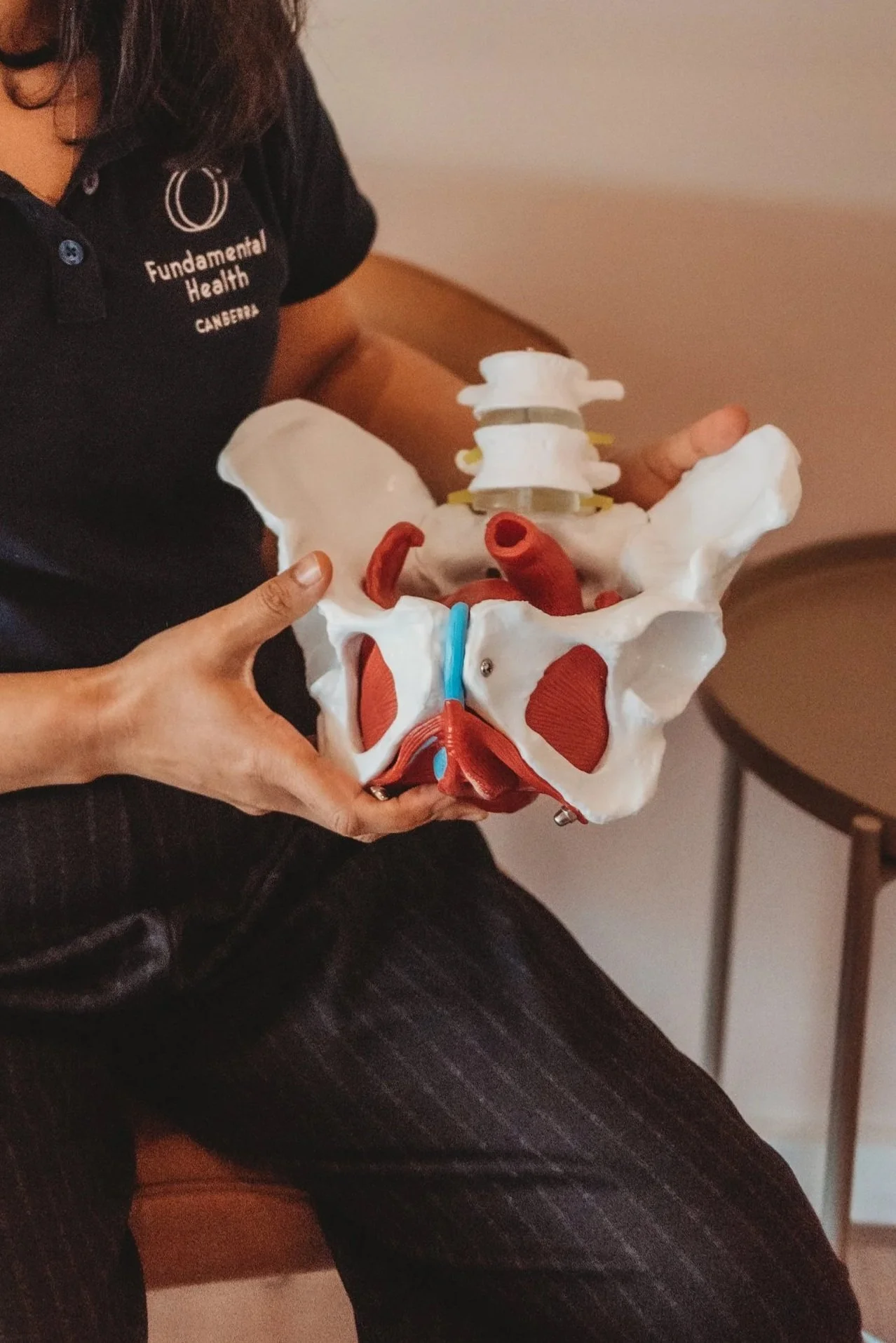
During pregnancy, your pelvic floor muscles and the surrounding connective tissues work incredibly hard to support your growing baby. Hormonal changes also increase the flexibility of ligaments and connective tissue in preparation for birth. Throughout pregnancy, the pelvic floor is placed under increasing load, and during a vaginal birth, these muscles, nerves and supporting tissues can stretch significantly. Even after a caesarean birth, the pelvic floor has still supported the weight of the pregnancy and may require rehabilitation.
As your body heals after birth, it is common to experience some bladder leakage in the first few weeks. For many women, symptoms improve naturally as tissues recover and pelvic floor function begins to return. However, if leakage persists beyond the early recovery period, it may indicate that the pelvic floor muscles are not functioning optimally.
Pelvic floor dysfunction is not simply about muscle weakness. Some women have reduced strength, while others experience poor coordination, delayed muscle activation, difficulty fully relaxing the pelvic floor, or muscles that are excessively tight or overactive. These different patterns require different treatment approaches, which is why an individual assessment is so important.
Urinary symptoms may also occur alongside other postpartum conditions, including pelvic organ prolapse, abdominal muscle separation (diastasis recti), bowel dysfunction or persistent pelvic pain. These conditions are common, but they are often overlooked because many women assume they are simply part of recovery after childbirth.
Signs you may benefit from a pelvic health physiotherapy assessment include:
Leaking urine when coughing, sneezing, laughing or lifting.
Leakage during exercise, running, jumping or other higher-impact activities.
A sudden, strong urge to urinate that is difficult to control.
Frequent trips to the toilet throughout the day or night.
Leaking on the way to the toilet.
Difficulty emptying your bladder completely or feeling like you need to go again shortly after urinating.
A feeling of heaviness, pressure or bulging within the vagina.
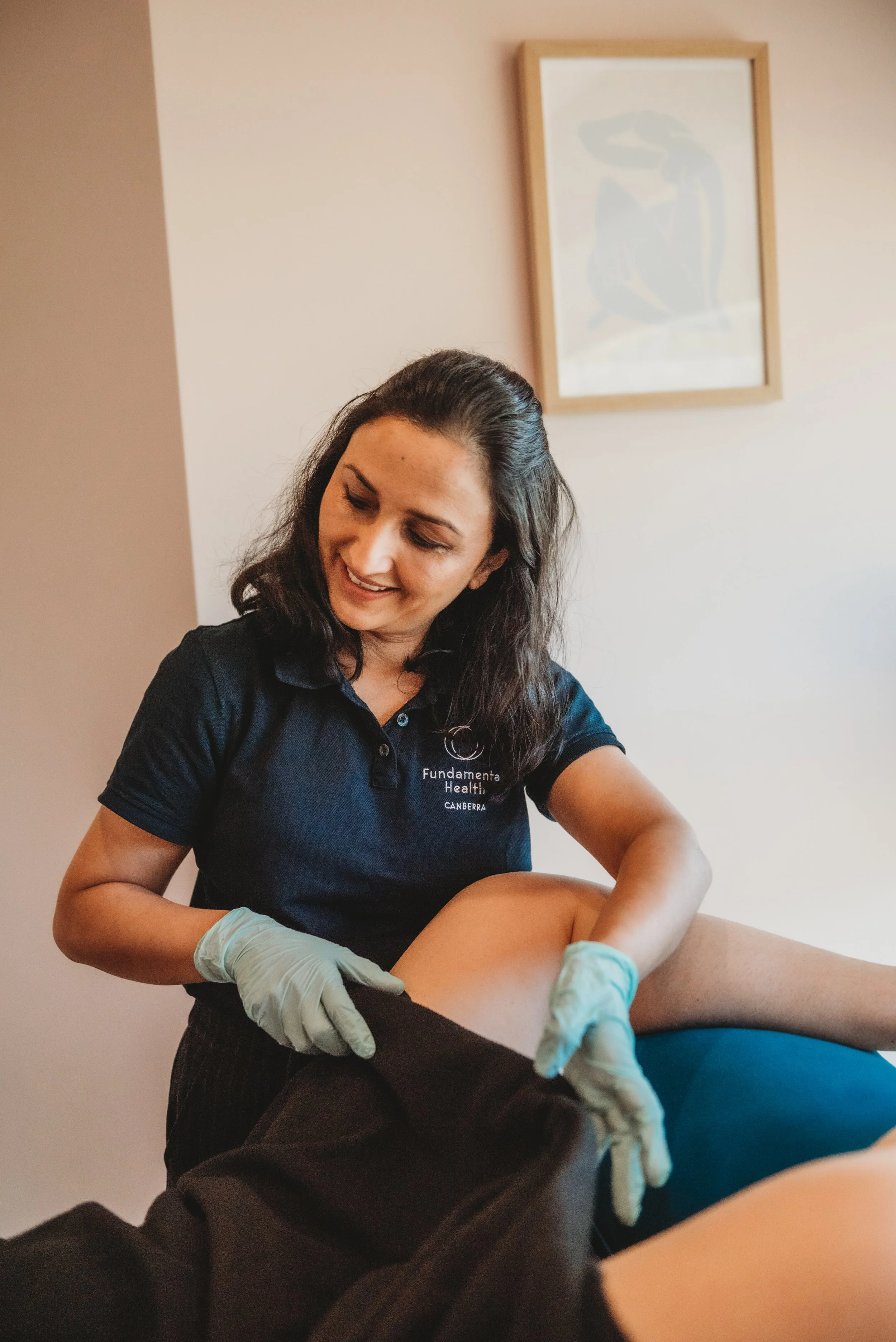
A pelvic health physiotherapy assessment is recommended from around six weeks after birth (or earlier if advised by your healthcare team). Your physiotherapist will assess pelvic floor muscle function, breathing patterns, abdominal muscle recovery, bladder and bowel habits, scar mobility where appropriate, and your readiness to return to exercise and daily activities.
Treatment is tailored to your individual needs and may include pelvic floor muscle rehabilitation, bladder retraining, bowel management strategies, breathing and pressure management, education on lifting and exercise, and a graduated return-to-running or sport program where appropriate.
You don't have to live with bladder leakage after having a baby. Seeking help early can improve recovery, restore confidence, and support your long-term pelvic health.