
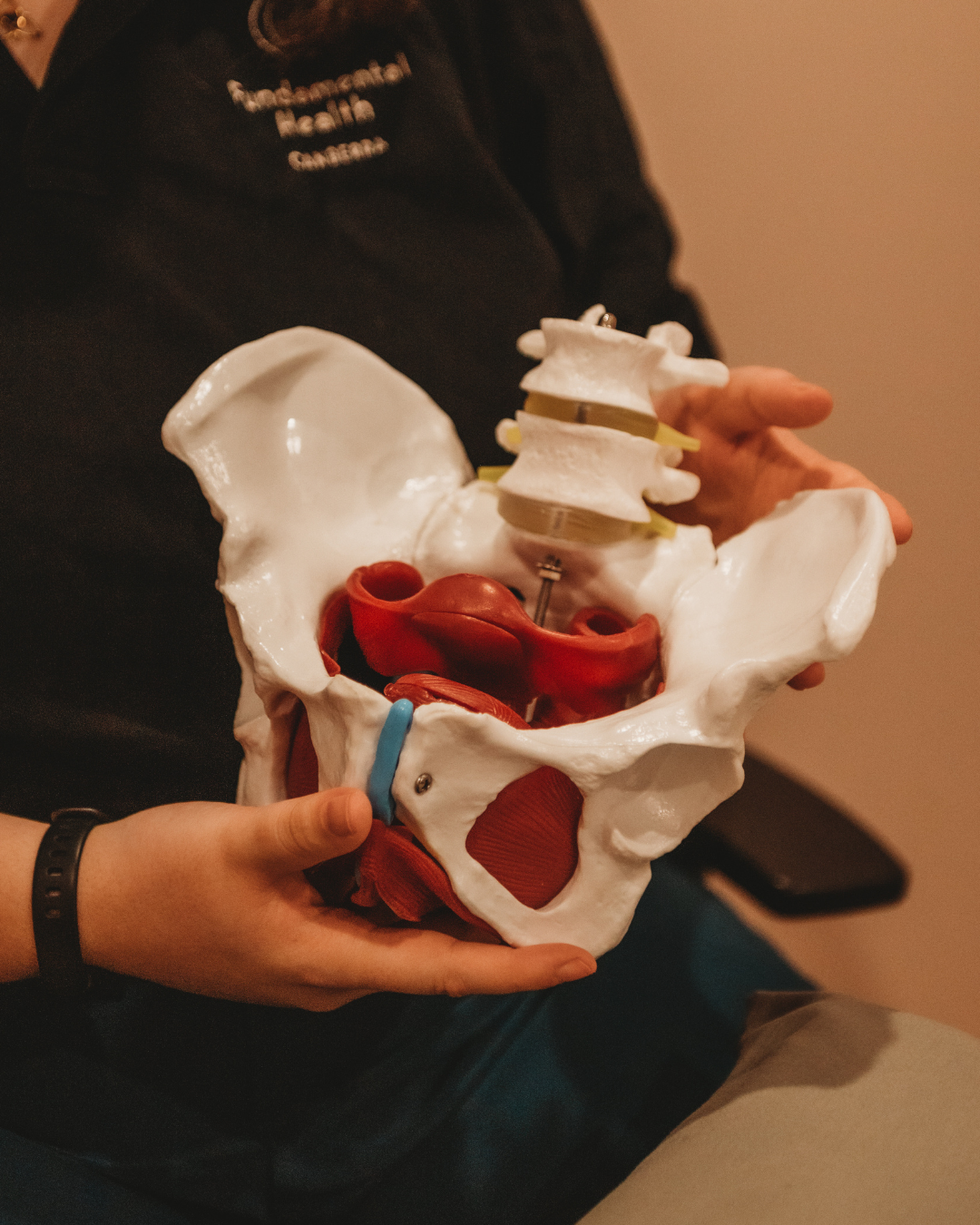
Pelvic organ prolapse can feel unpredictable—some days manageable, other days heavy and uncomfortable. While the degree of prolapse itself doesn’t always rapidly change, your symptoms can fluctuate depending on how you move, breathe, and load your body throughout the day. Understanding what aggravates prolapse (and what helps) is key to feeling more in control.
One of the biggest contributors to worsening symptoms is unmanaged intra-abdominal pressure. This often shows up during straining—whether that’s on the toilet, lifting heavy loads, or even during certain types of exercise. Holding your breath, bearing down, or pushing through effort increases downward pressure onto the pelvic organs. Over time, this can aggravate feelings of heaviness or dragging.
Constipation is another common aggravator. Repeated straining places significant stress on the pelvic floor, especially if combined with poor toileting mechanics. Similarly, chronic coughing (from asthma, allergies, or illness) can repeatedly load the system if pressure isn’t well managed.
Posture and movement patterns also play a role. A rigid, braced abdomen or “sucked in” posture can disrupt how pressure is distributed through the diaphragm, abdomen, and pelvic floor. High-impact exercise, or returning to it too quickly after pregnancy or injury, can also exacerbate symptoms if the body isn’t prepared.
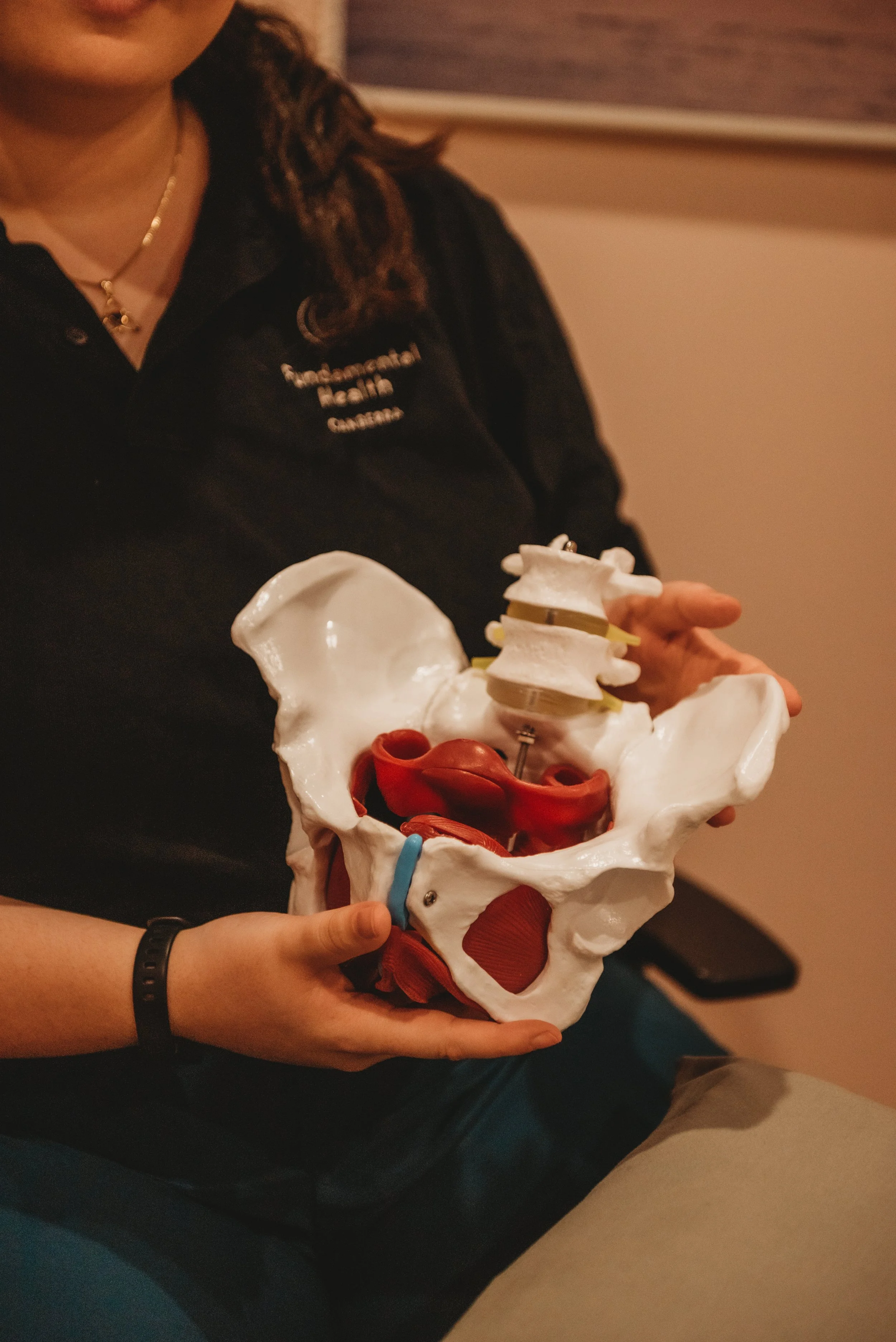
So, what helps?
A key focus is learning how to manage pressure effectively. This starts with breathing. Coordinating your diaphragm and pelvic floor—allowing the pelvic floor to gently lengthen on inhale and recoil on exhale—can reduce unnecessary strain. Exhaling during effort (like lifting or standing up) helps offload pressure rather than pushing it downward.
Optimising bowel habits is also essential. This includes adequate fibre, hydration, and using a footstool to support a more natural toileting position, reducing the need to strain.
From a treatment perspective, manual therapy, education, and movement strategies can all help. A pelvic health osteopath or physiotherapist can assess areas of tension, overactivity, or restriction within the pelvic floor and surrounding structures. Releasing these patterns helps restore more balanced muscle function, allowing the pelvic floor to respond appropriately to load rather than gripping or collapsing.
Movement and strength work is important, but it needs to be individualised. Building strength through the hips, core, and pelvic floor (without over-bracing) supports the entire system.
Prolapse management isn’t about avoiding activity—it’s about doing it differently. With the right strategies, you can reduce symptoms, build confidence, and return to the things you enjoy.